Zapier vs Make vs n8n: which automation tool should you use?
An honest comparison of Zapier, Make and n8n for small businesses: ease of use, pricing models, AI agents, reliability and when to use each, from a certified builder of all three.
 Ibrahim “Laolu” Awosanya3 min read
Key takeaways
- Zapier is the fastest to build and easiest to hand over, but costs rise with volume.
- Make handles complex branching and data at a lower cost per run.
- n8n is the strongest choice for AI agents and high volume, especially self-hosted.
- The best tool is the cheapest one that reliably does the job and your team can maintain.
I'm certified in Zapier, Make and n8n and build in all three every week. Clients often ask which one is "best". The honest answer: it depends on what you're automating, how often it runs and who will maintain it. Here's how I decide.
The short version
| Zapier | Make | n8n | |
|---|---|---|---|
| Ease of use | Easiest | Moderate | Most technical |
| App integrations | Largest library | Large | Growing, plus any API |
| Complex logic | Paths, code steps | Routers, iterators, strong data handling | Full control, code anywhere |
| AI agents | Good | Good | Strongest |
| Cost at high volume | Highest | Lower | Lowest when self-hosted |
When I choose Zapier
Zapier is the quickest way to connect two popular apps, and the easiest for a non-technical team to understand later. I use it for lead capture into a CRM, booking-to-email-list syncs and simple notifications. It also handles serious logic: my 39-step Follow Up Boss deal engine uses Zapier paths and code steps.
Watch out for: pricing based on tasks. A workflow that runs thousands of times a month with many steps gets expensive.
When I choose Make
Make shines when data needs reshaping: looping through lists, branching many ways, handling errors gracefully. It's visual, so complex flows are easier to read than long Zapier chains, and it usually costs less per run for multi-step scenarios. My Make.com publishing automation watches a folder, validates files, schedules posts and archives everything with error alerts.
Watch out for: a steeper learning curve for whoever maintains it.
When I choose n8n
n8n is my first choice for AI agents, high-volume workflows and anything that needs custom API work. It can be self-hosted, which keeps running costs low and data on your own server. Most of the workflows in my library, from AI booking agents to RAG document assistants, are built in n8n.
Watch out for: self-hosting means someone owns updates, backups and uptime.
Four questions to decide
- How often will it run? Hundreds of runs a month: any tool. Tens of thousands: Make or n8n.
- Who maintains it? A non-technical team: Zapier. A technical partner: any.
- Does it need AI? Simple AI steps work everywhere; multi-step agents favor n8n.
- Is the app supported? Check the integration exists, or that the app has an API.
Don't forget monitoring
Whichever tool you pick, the real risk is a workflow that fails quietly. Every build should alert someone when a step errors or when the expected result doesn't happen. I explain how in why automations fail quietly.
Want a recommendation for your exact setup? Book a free strategy call and I'll tell you which tool I'd use and why.
Frequently asked questions
Is n8n better than Zapier?
For AI agents, complex logic and high volumes, often yes. For simple connections between popular apps that a non-technical team needs to maintain, Zapier is usually the better choice.
Is Make cheaper than Zapier?
For multi-step workflows that run often, Make usually costs less because of how it counts operations. For a few simple automations, the difference is small.
Can I switch tools later?
Yes. Workflows can be rebuilt in another tool. It is cheaper to choose well at the start, which is why I map volume and complexity before recommending one.
CRM & AI automation specialist, Level 2 seller on Fiverr and certified across HighLevel, HubSpot, Zapier, Make, n8n and more. I build CRMs and automations that follow up on every lead. More about me
Not sure which tool fits your workflow?
Tell me what you want to automate. I'll recommend the cheapest reliable option and build it.
Keep reading
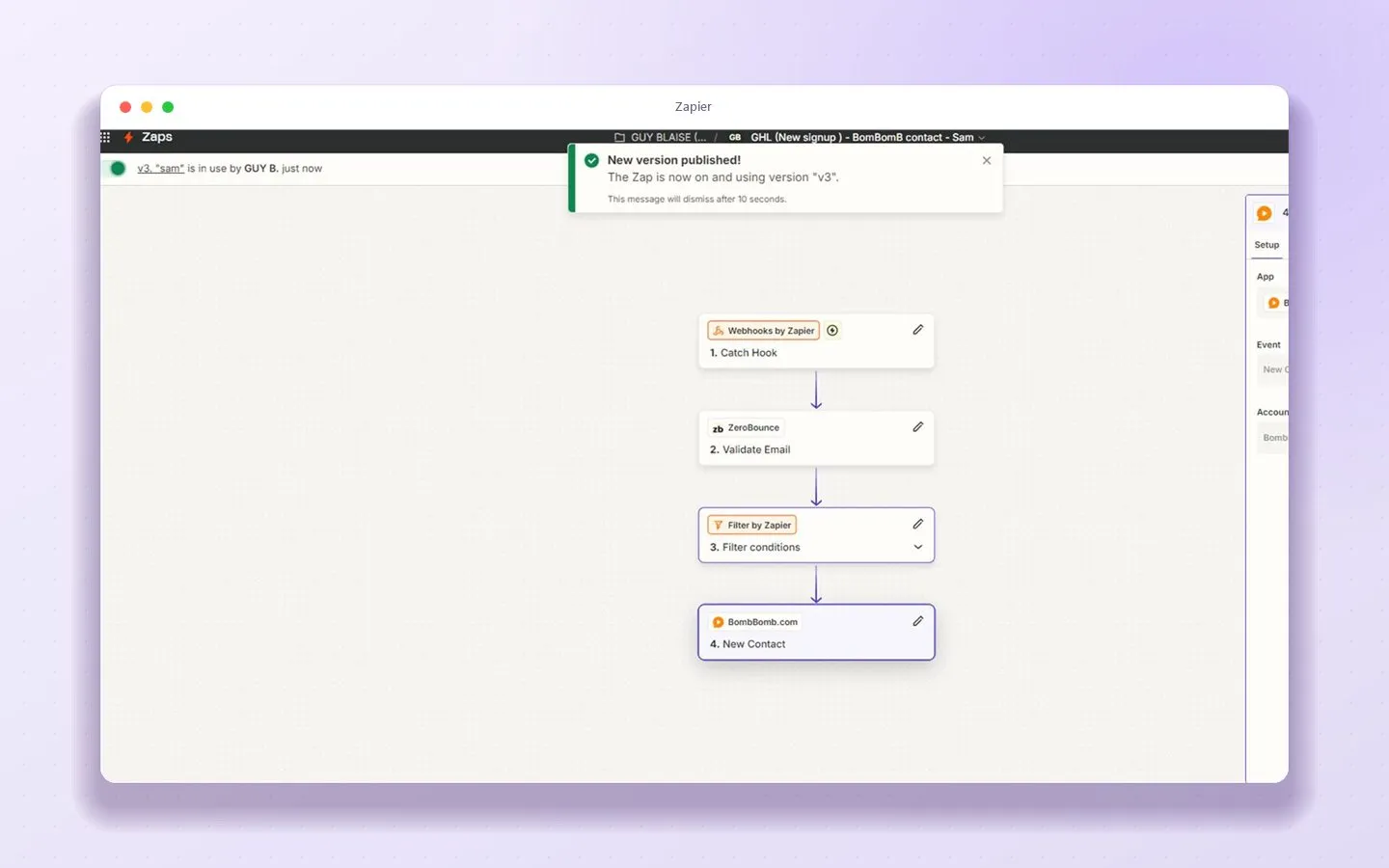 Workflow AutomationHow to send website and Facebook leads into your CRM automaticallyStop copying leads by hand. How to connect website forms, Facebook Lead Ads and landing pages to your CRM with native integrations, Zapier, Make or...
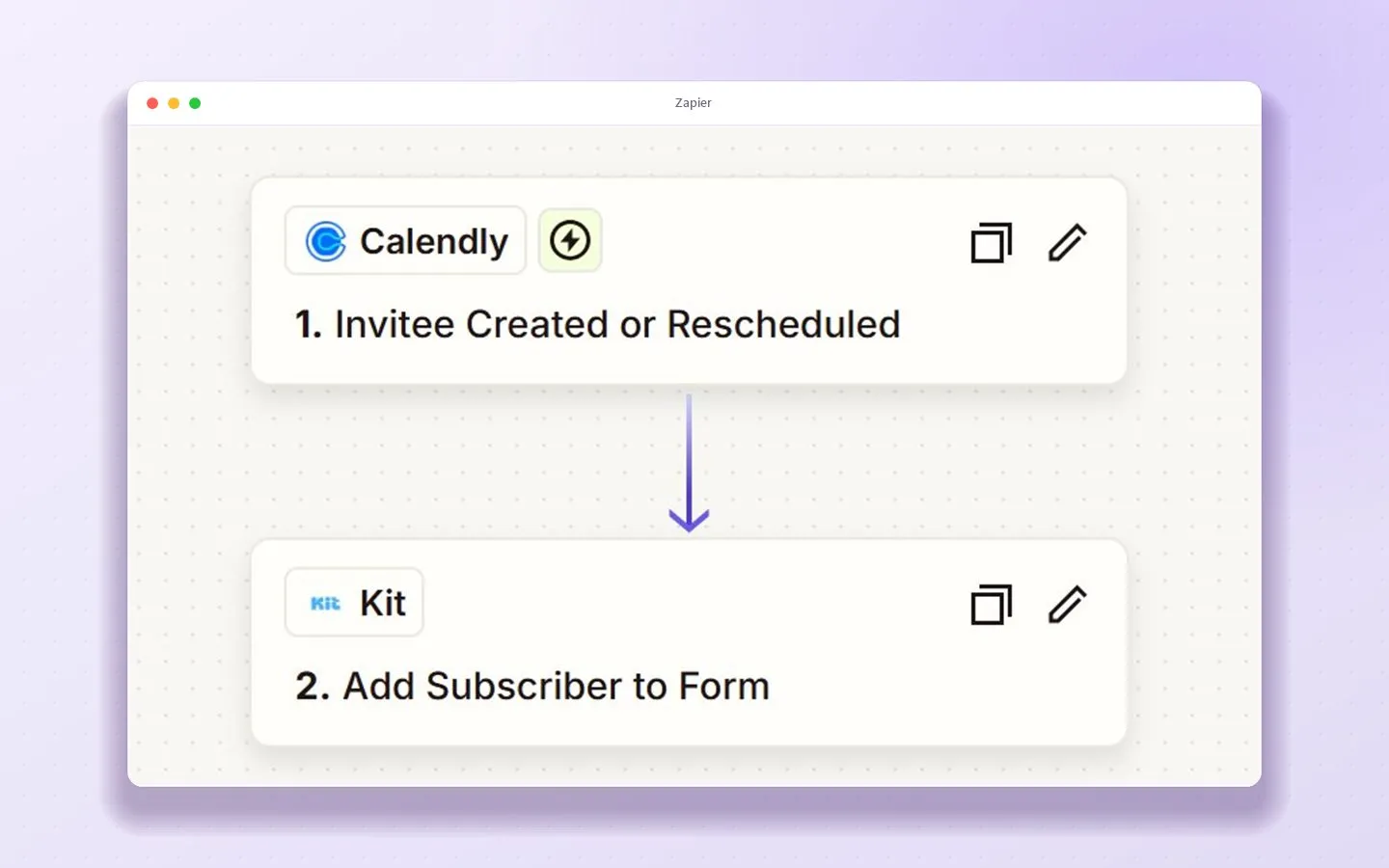 Workflow Automation12 Zapier automations that save small businesses hours every weekPractical Zapier automation ideas for small businesses: lead capture, bookings, invoices, onboarding, reviews and reporting, each with the apps...
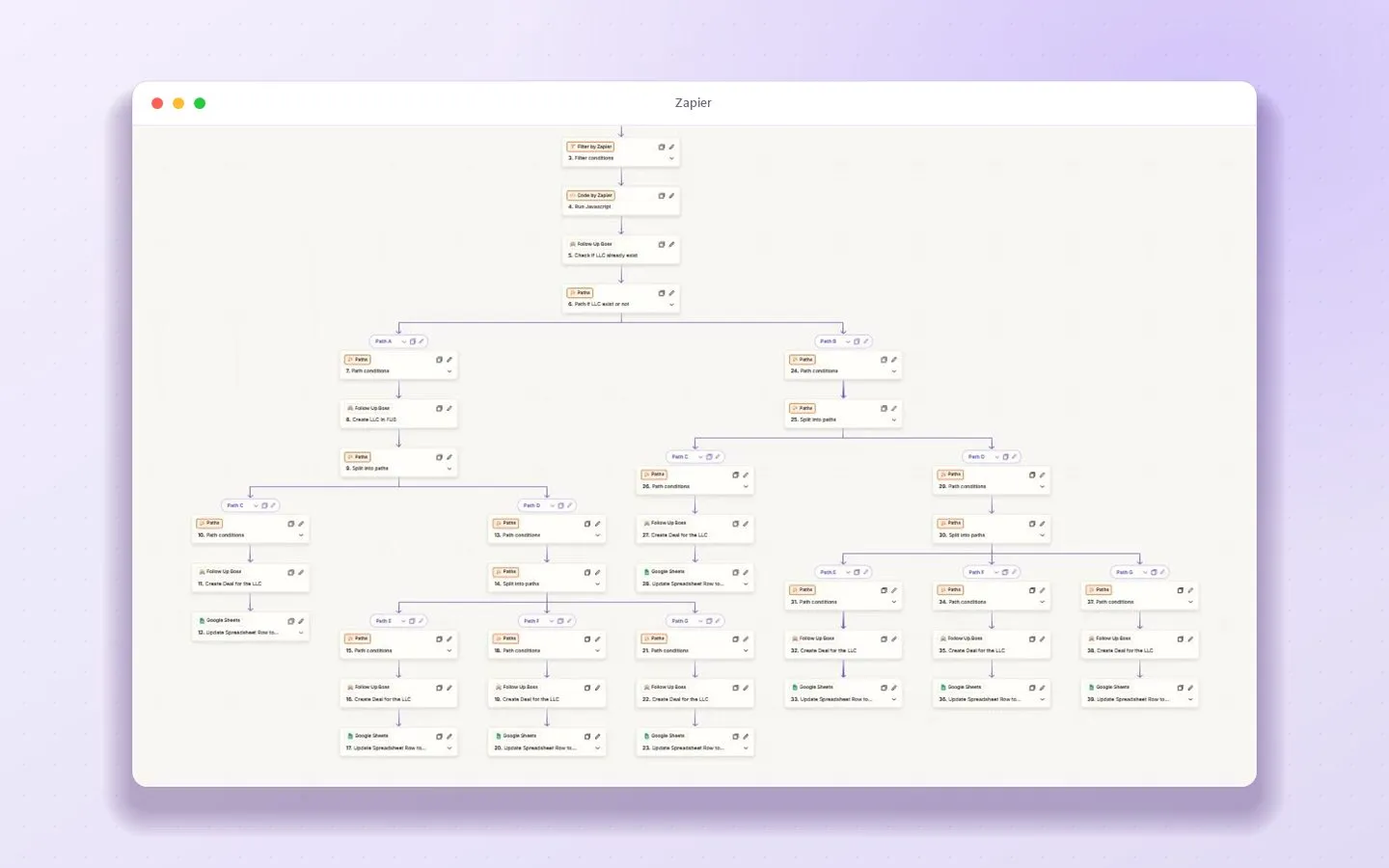 Case study · Follow Up Boss · Zapier · Real estateA 39-step deal engine for a real estate investment teamNew acquisitions create the right deal in the right pipeline, under the right LLC, and update the tracking sheet, without anyone touching a...